Raccoon Removal in Mooresville, Statesville & the NC Foothills
Raccoons are strong enough to tear through soffit panels and shingles, and dexterous enough that researchers have watched them open complex latches. A determined raccoon treats your attic like a door that happens to be locked.
Heavy thumping overhead at night, a torn soffit, or a ransacked crawlspace usually means a raccoon, and often a female looking for a den site. Once inside, damage comes fast: crushed insulation, torn ductwork, and a concentrated latrine that contaminates everything beneath it. Raccoon droppings can carry raccoon roundworm, a genuine hazard to people and pets, which is why cleanup is part of the job rather than an afterthought.
Chimneys are their favorite door
An uncapped flue is a den site raccoons will use year after year, and I see the same houses generate the same problem until a cap goes on. If the animal is in the chimney, getting it out is step one; a properly sized stainless cap is what ends the cycle.
How a raccoon job goes
Inspection first: confirm the species, find the entry, and check for young, because a female with kits in spring changes the approach entirely. You get a written quote before any work begins. The job ends with the animal removed, the damage repaired, the entry sealed in materials a raccoon cannot rip back open, and any latrine professionally cleaned up. Raccoons are a heavily regulated species in North Carolina, and I handle every job within those rules.
Recent raccoon jobs
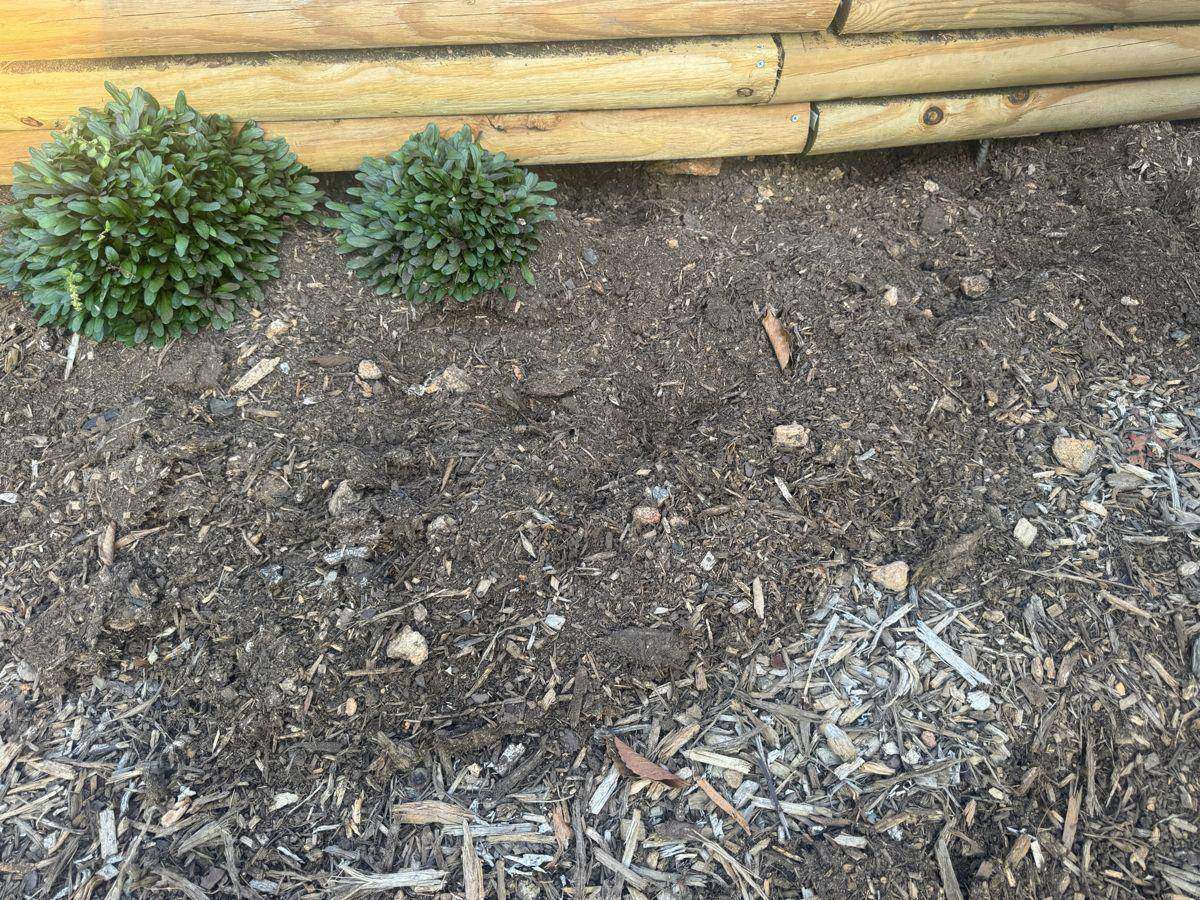
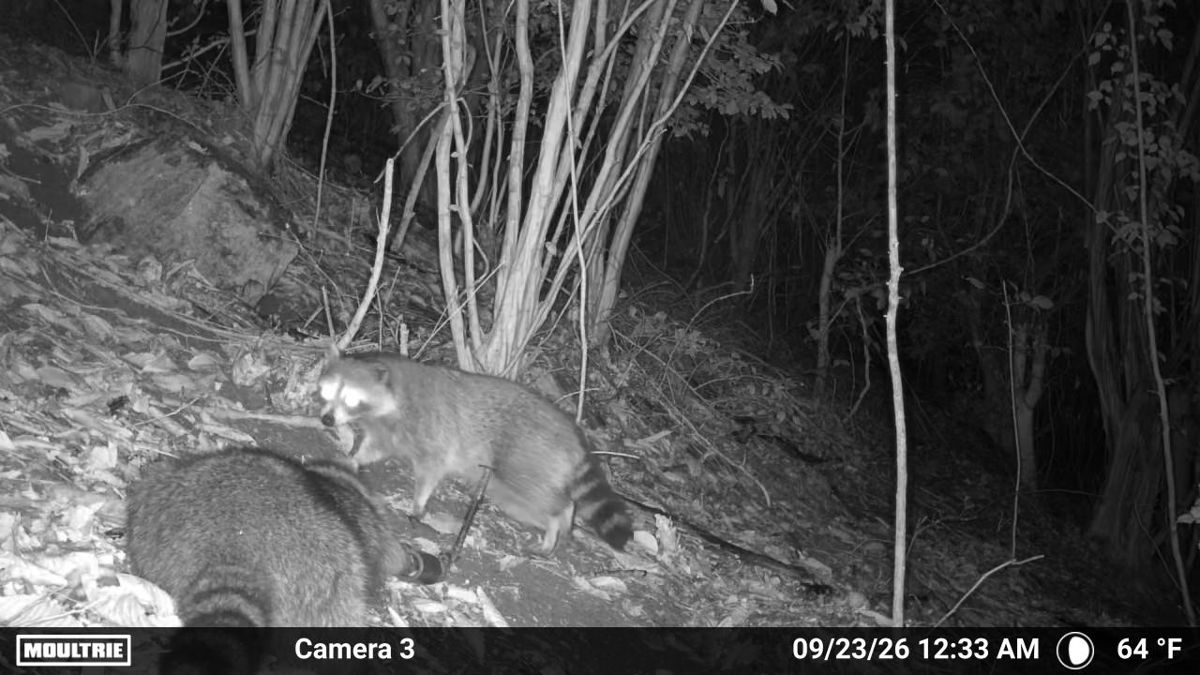
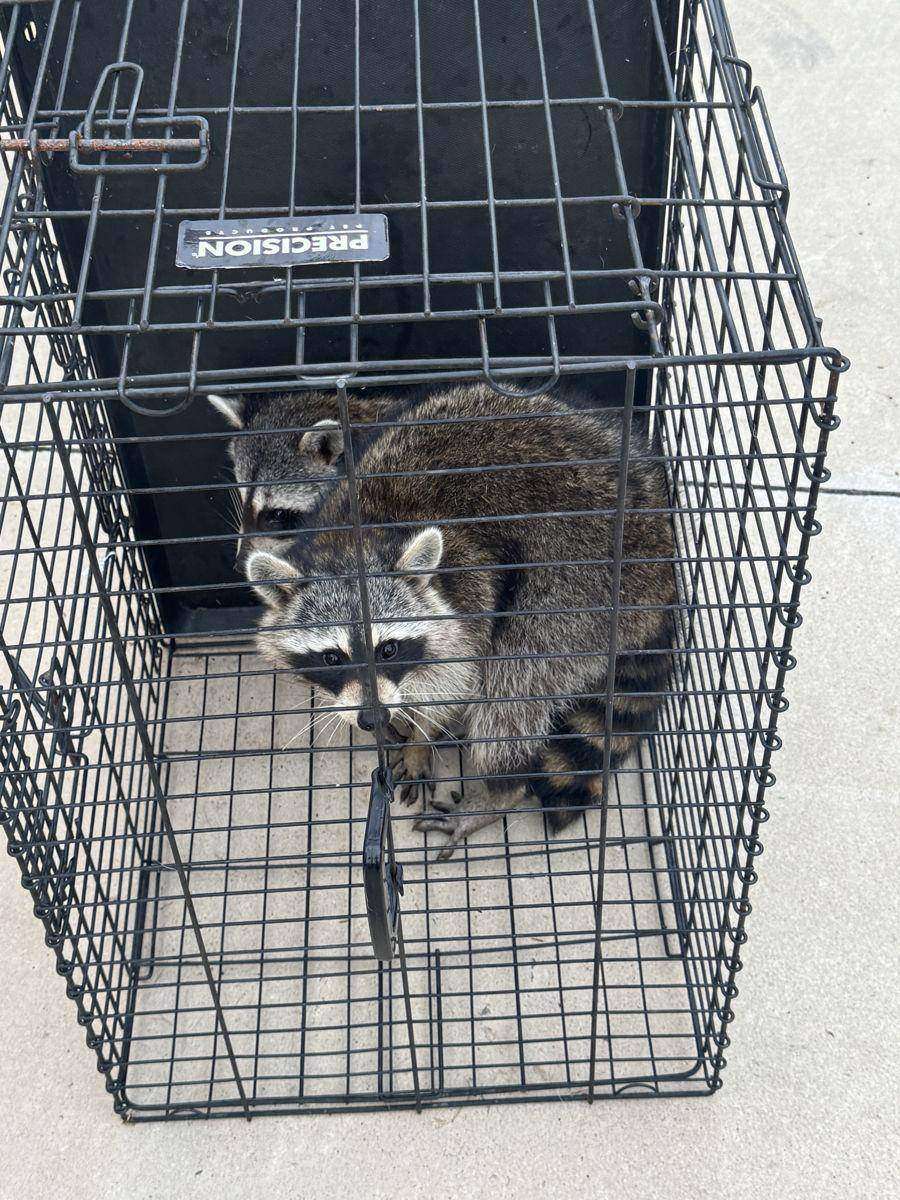
More photos and write-ups are on the recent work page.
I handle raccoon work in Mooresville, Statesville, Newton, and throughout Alexander, Iredell, Catawba, Wilkes, Caldwell, Burke, and Davie counties.
Common questions
What are the signs a raccoon is in my attic?
Loud thumping or heavy movement at night, since raccoons are nocturnal and big enough to sound like footsteps. Torn soffit panels, a pushed-up shingle line, or droppings concentrated in one attic area are the visual confirmations.
Are raccoons in the attic actually dangerous?
The droppings are the main risk: raccoon latrines can carry roundworm eggs that are hazardous to people and pets, and they contaminate the insulation beneath them. Raccoons are also a rabies vector species in North Carolina, so any raccoon that seems sick, disoriented, or unafraid should be reported, not approached.
Can't I just wait for it to leave?
A raccoon that denned in your attic chose it deliberately and will keep returning, and a female raising kits will be there for months while the contamination grows. The inspection tells you exactly what you are dealing with and what fixing it costs.