Bat Removal & Exclusion in Hickory, Lenoir & the NC Foothills
North Carolina is home to 17 bat species, and a single bat can eat hundreds of flying insects in an hour. The problem is never the bat itself. It is where the colony has decided to live.
Bats are protected in North Carolina, so poisoning or trapping them is not an option, legally or practically. For a colony in a structure, the legal and effective method is exclusion: the bats leave on their own through one-way devices, and the structure is then sealed so they cannot return. A single bat inside your living space is the exception; that animal can be captured and removed directly, and given the rabies question below, often should be. A bat can enter through a gap about the width of your thumb, which is why entry points are rarely visible from the ground.
What bats in the structure mean for your health
The health questions deserve straight answers. Accumulated guano can host the fungus that causes histoplasmosis, a lung infection, which is why droppings in an attic or wall void should be professionally removed rather than swept up dry. And while most bats are healthy, bats are a rabies vector species. If you wake up to find a bat in a bedroom, or a bat has been in a room with a child or someone who cannot say whether they had contact, do not simply shoo it outside. Public health guidance treats that as a possible exposure, and the bat may need to be captured for testing. Call me, and call your doctor or the county health department.
The season restriction
North Carolina prohibits bat exclusion from May 1 through July 31, when flightless pups would be trapped inside. Exclusion resumes August 1. If you call during the closed window, I can still inspect, quote the work in writing, and schedule you for the opening of the season.
Bats are worth having on your property, just not in your structure. If you would like to keep them around, ask me about bat house placement while I am there.
Recent bat job
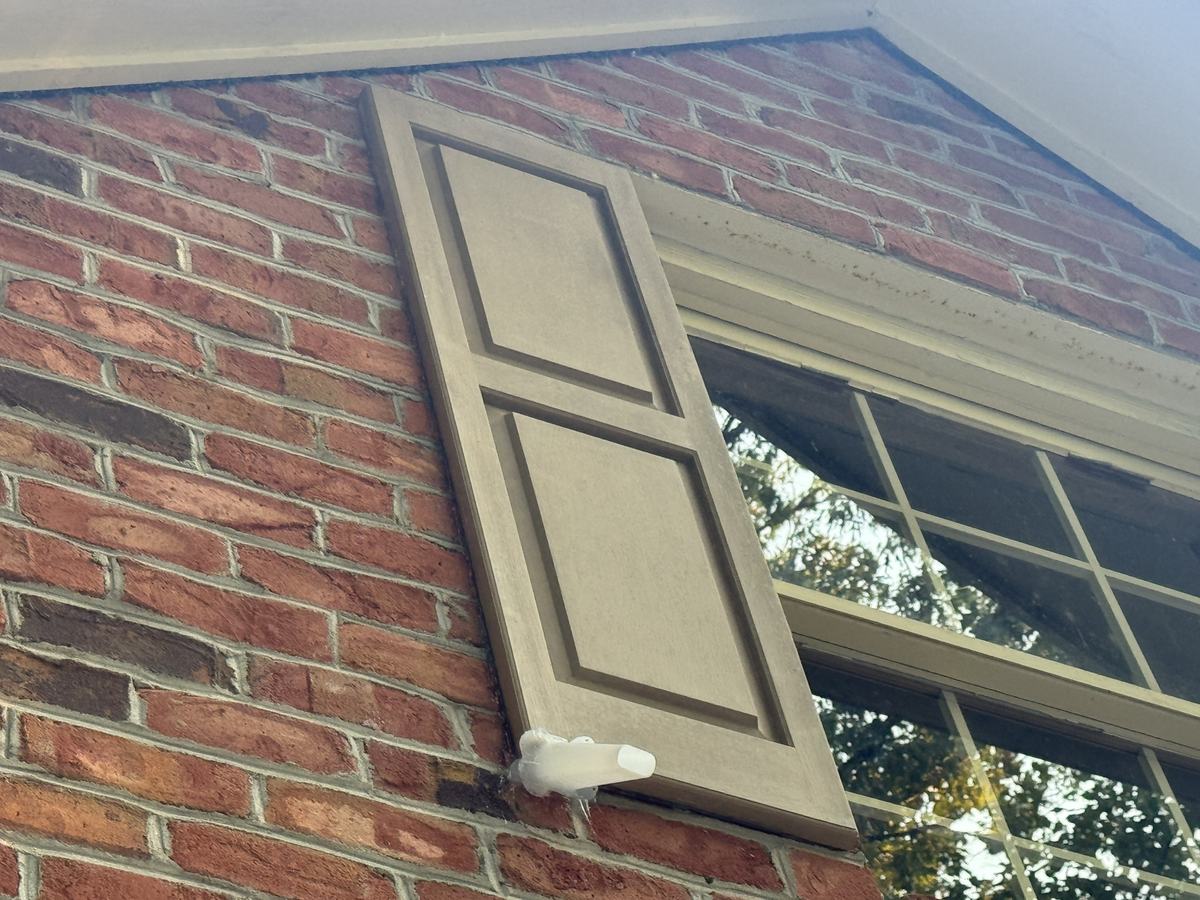
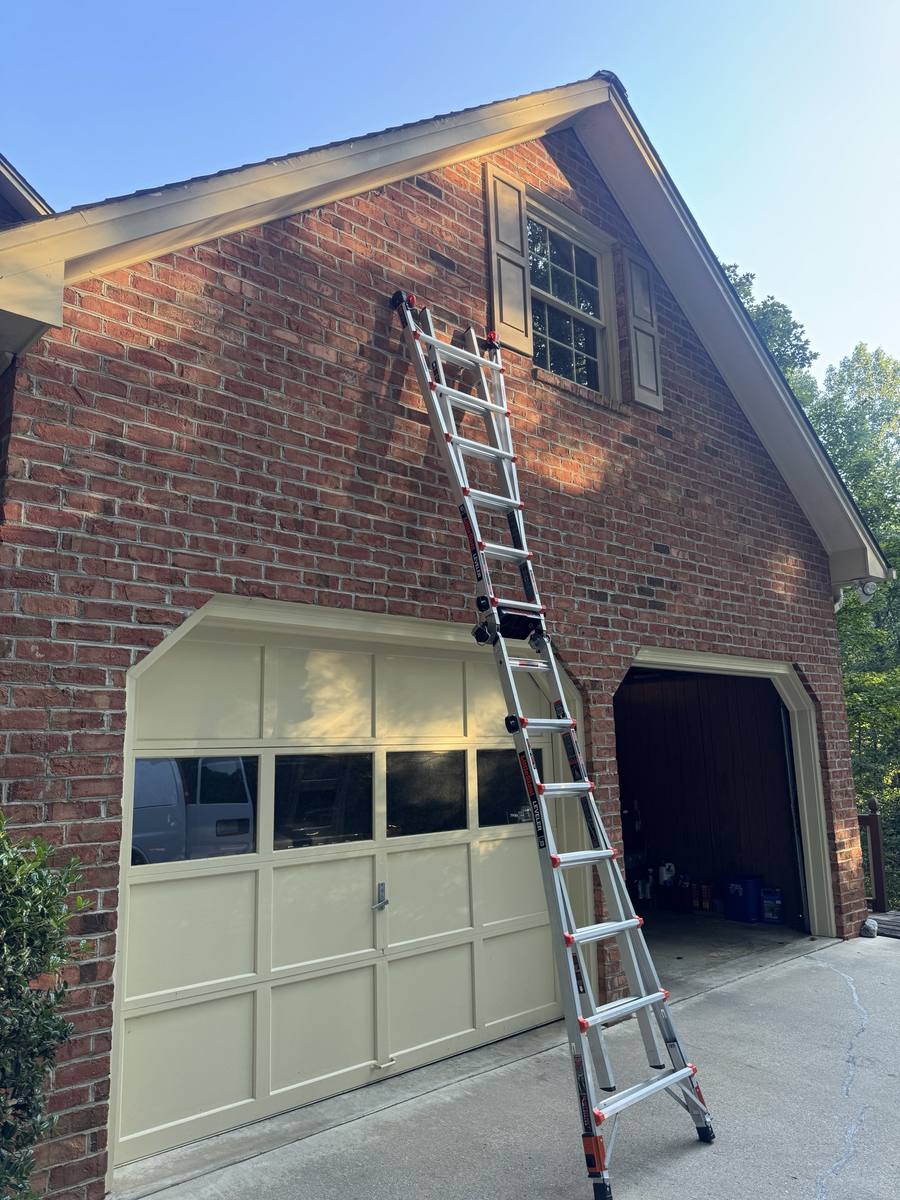
More photos and write-ups are on the recent work page.
I handle bat exclusion work in Hickory, Lenoir, Morganton, and throughout Alexander, Iredell, Catawba, Wilkes, Caldwell, Burke, and Davie counties.
Common questions
When can bat exclusion be done in North Carolina?
From August 1 through April 30. State rules prohibit exclusion during the May through July maternity season, but inspections and quotes can happen any time of year, and work can be scheduled for the open window.
I found a bat in my bedroom. What should I do?
Treat it as a possible rabies exposure, not just a nuisance. Do not release the bat if anyone was sleeping in the room or may have had contact; close the door, call me at (828) 352-8266, and contact your doctor or the county health department for guidance.
Do you clean up the droppings too?
Yes. Guano removal and treatment of the affected area is part of a complete bat job, because accumulated droppings can carry the fungus that causes histoplasmosis and should not be disturbed dry.